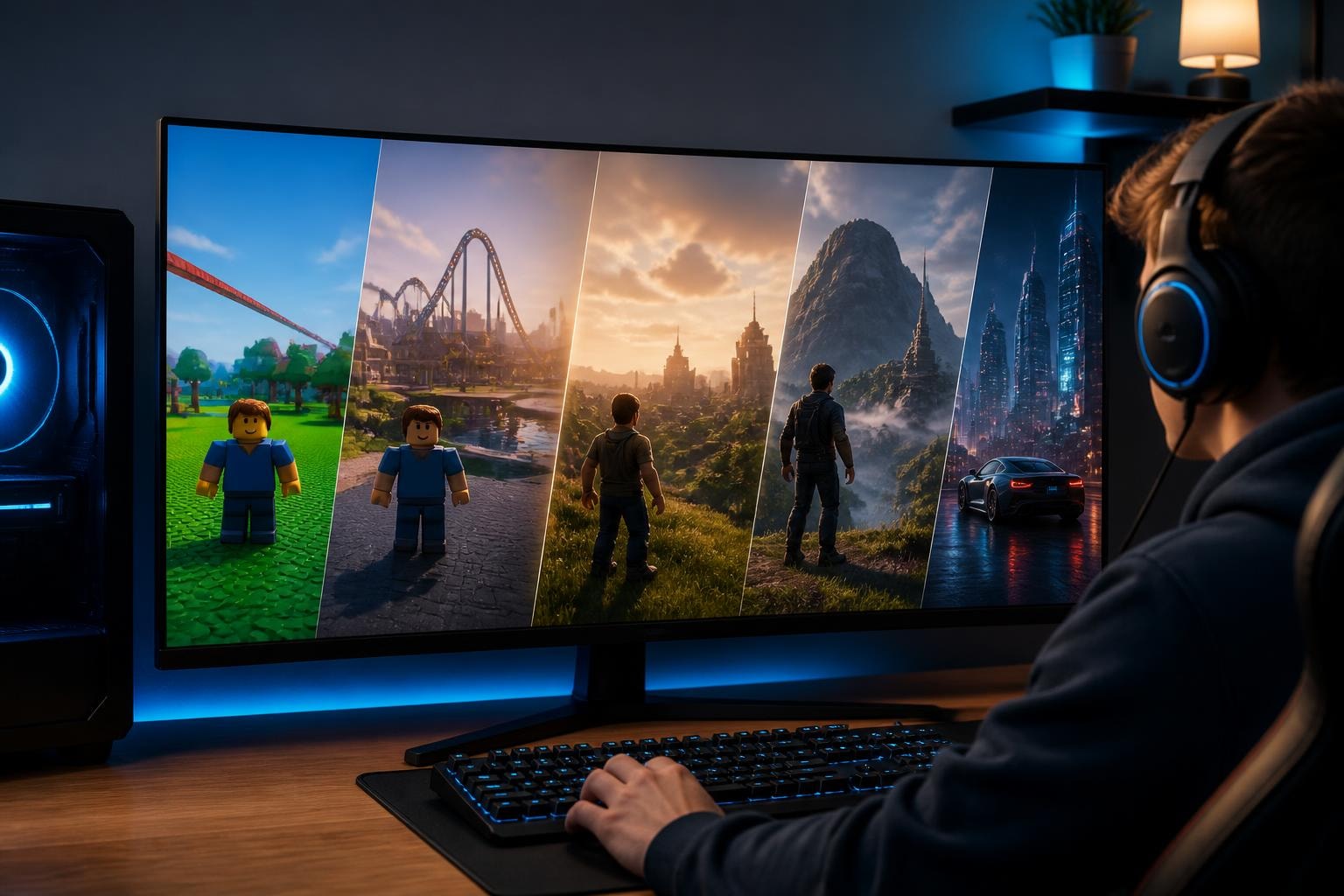
Best Games for All Time: Ultimate Ranking Guide
The conversation about the best games for all time never gets old within the gaming community. From pixelated platformers that launched an industry to sprawling open-world adventures that redefined interactive storytelling, certain titles transcend their release dates to become timeless masterpieces. These games represent more than entertainment-they're cultural touchstones that influenced generations of developers and players. Whether you're a collector looking to experience gaming history or a trader seeking valuable accounts featuring these legendary titles, understanding which games earned their place in the pantheon helps inform smarter decisions in today's vibrant gaming marketplace.
Defining Greatness Across Gaming Generations
What elevates a game from merely popular to truly legendary? The best games for all time share several distinguishing characteristics that separate them from thousands of competitors.
Innovation That Changed Everything
Revolutionary games introduced mechanics that became industry standards. Consider how first-person shooters evolved, or how role-playing games transformed from turn-based systems to real-time action. These innovations didn't just improve on existing formulas-they fundamentally altered player expectations.
The most influential titles created new genres entirely:
Survival horror games that mastered atmosphere and resource management
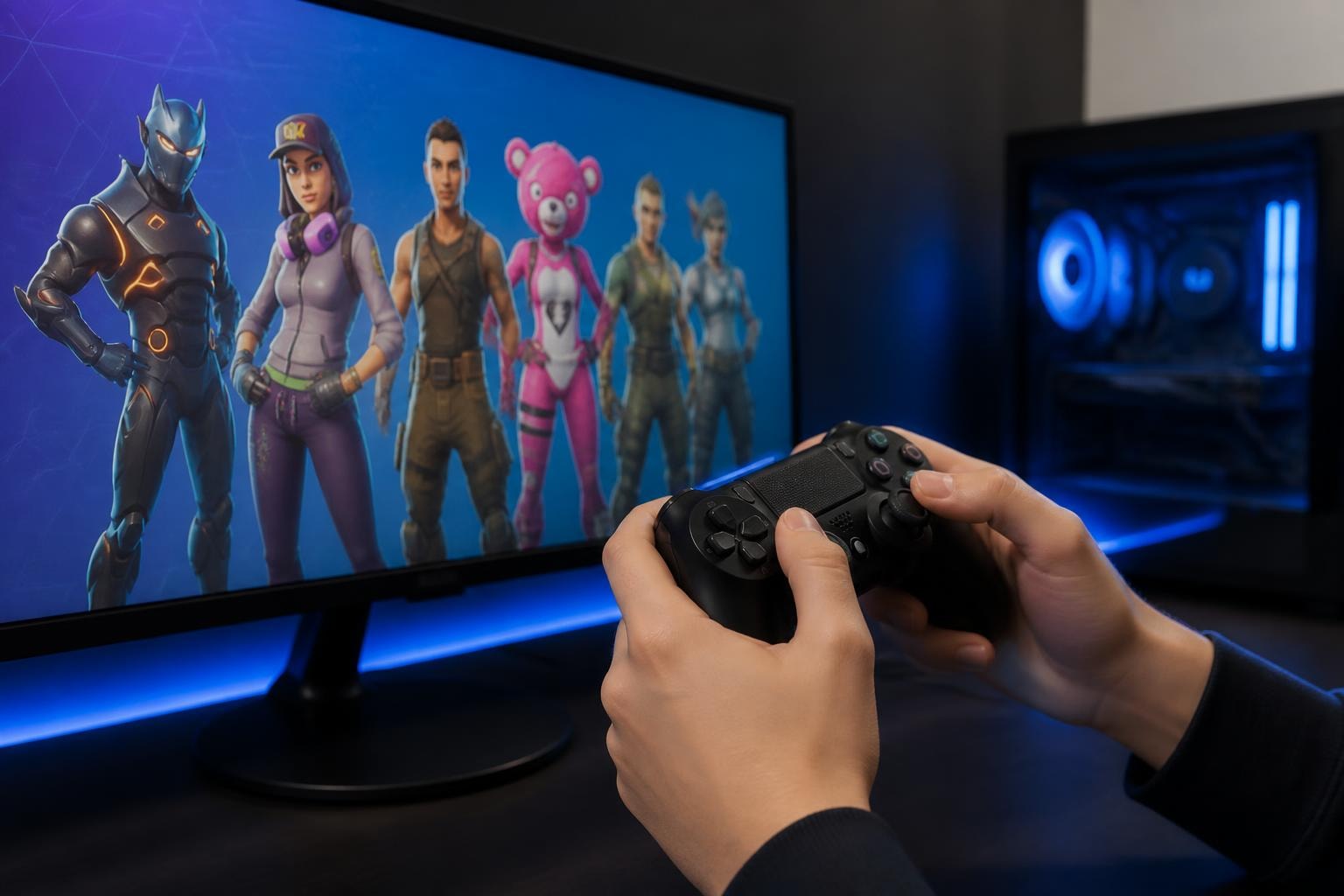
Battle royale experiences that redefined multiplayer competition
Roguelike designs that made procedural generation engaging
Extraction shooters that blend high-stakes risk with rewarding gameplay loops
When GamesRadar+ analyzed the rise of extraction shooters, they highlighted how genre-defining games create entire ecosystems of similar titles.
Cultural Impact Beyond the Console
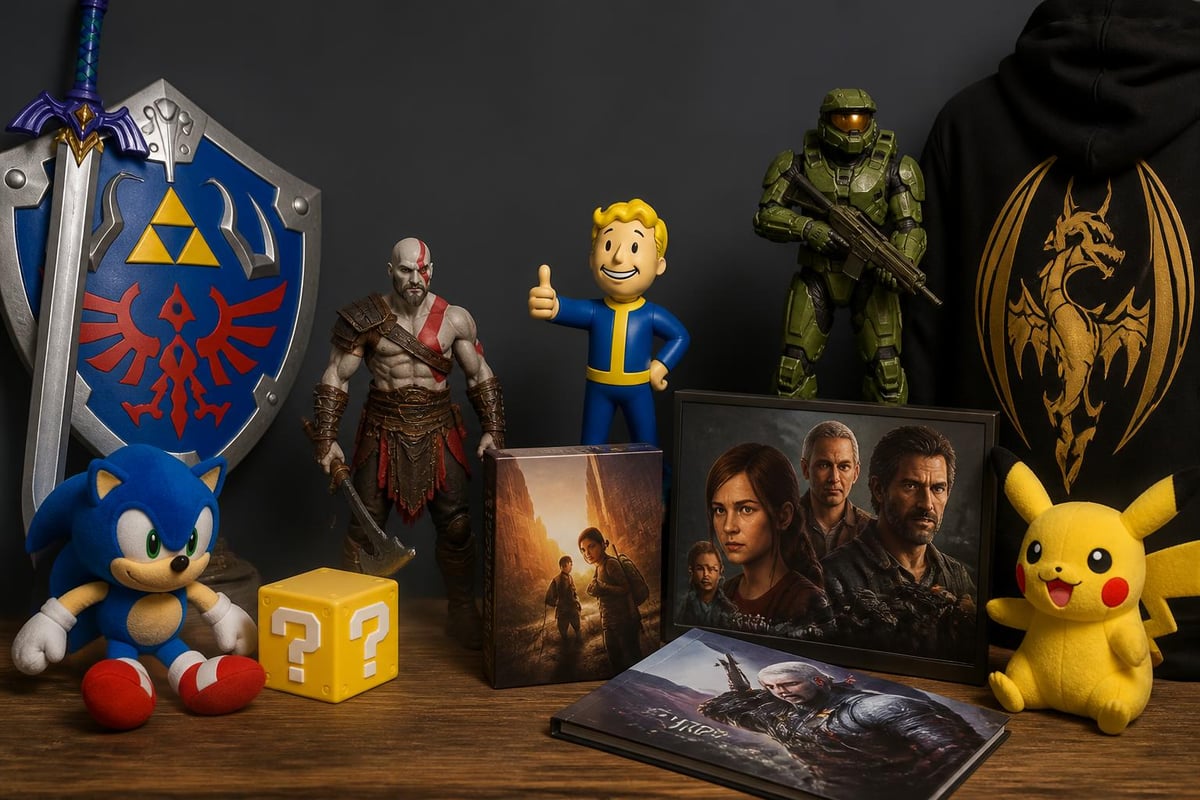
The best games for all time extend their influence far beyond the gaming community. They inspire movies, television series, merchandise, and even academic study. Some titles become so embedded in popular culture that non-gamers recognize their characters and music instantly.
Cultural Reach | Examples | Lasting Impact |
|---|---|---|
Character Recognition | Iconic mascots becoming household names | Multi-generational brand awareness |
Music Legacy | Soundtracks performed by orchestras worldwide | Gaming music as legitimate art form |
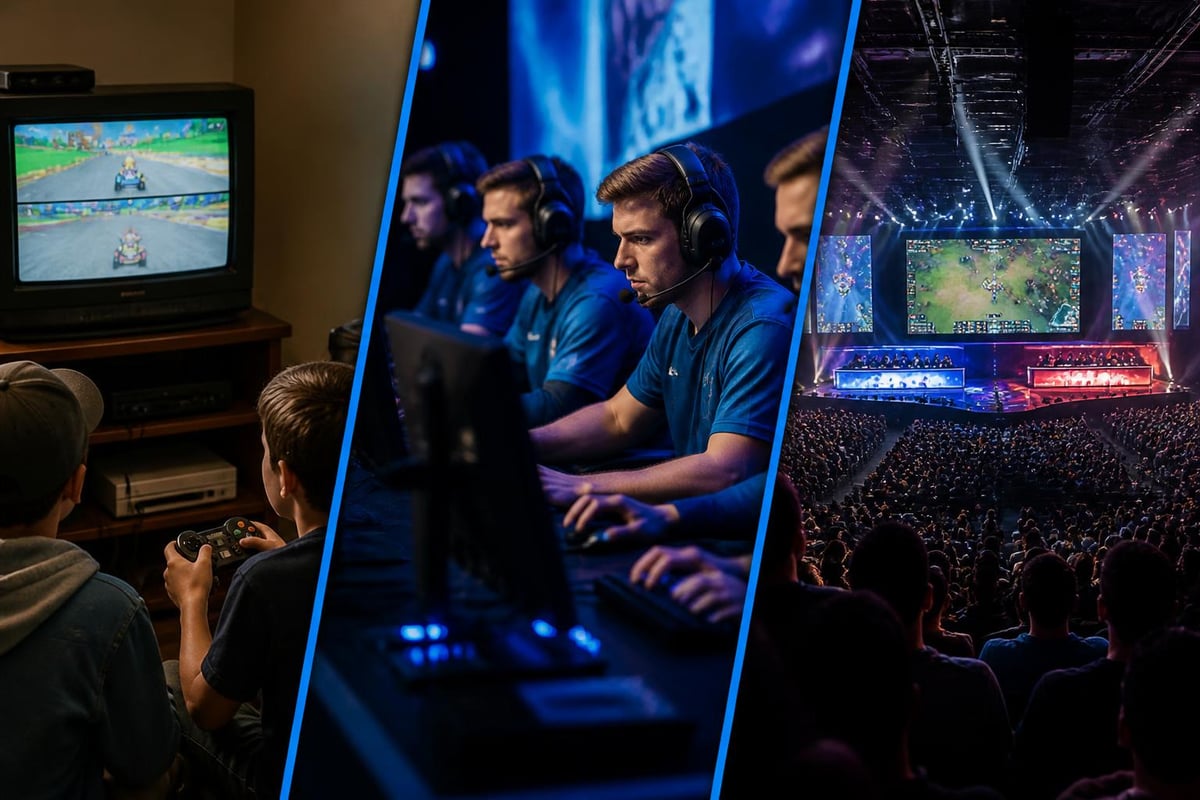
Competitive Ecosystems | Esports tournaments with millions in prizes | Professional gaming careers |
Educational Value | Games used in schools and training programs | Serious games industry growth |
Platform-Defining Masterpieces
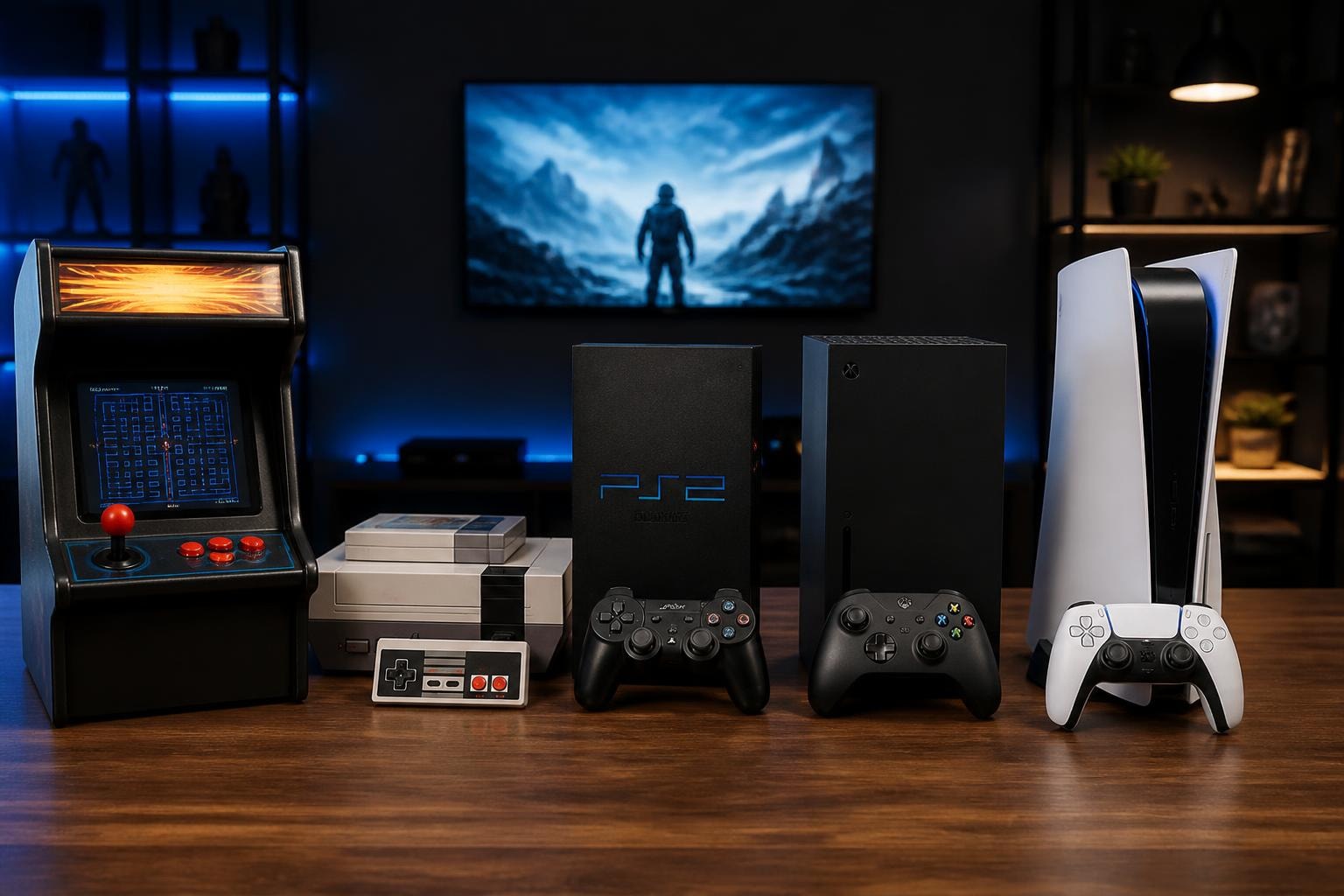
Certain games become synonymous with the platforms they launched on, driving hardware sales and defining entire console generations.
The Nintendo Legacy
Nintendo's contributions to the best games for all time cannot be overstated. The company's focus on gameplay innovation over graphical horsepower created experiences that remain engaging decades later. Super Mario Bros. revolutionized platform gaming by establishing design principles still followed today.
The Legend of Zelda series exemplifies Nintendo's approach to timeless game design. When Rolling Stone ranked Breath of the Wild as the top game in their comprehensive list, they recognized how the 2017 title balanced innovation with respect for series traditions.
Key Nintendo contributions include:
Perfecting responsive controls that feel natural
Creating game worlds that reward exploration
Designing difficulty curves that challenge without frustrating
Building franchises with consistent quality across decades
Sony's Narrative Revolution
PlayStation platforms introduced cinematic storytelling that rivaled Hollywood productions. These narrative-driven experiences proved games could deliver emotional depth matching any medium.
From apocalyptic survival stories to mythological epics, Sony's first-party studios crafted experiences where gameplay and story integration reached new heights. The production values, voice acting, and motion capture technology set new standards for interactive entertainment.
PC Gaming's Endless Possibilities
The PC platform's openness fostered innovation impossible on closed console ecosystems. Modding communities extended game lifespans by years, while digital distribution platforms democratized indie development.
Strategy games found their natural home on PC, offering complexity that controllers couldn't easily replicate. Massively multiplayer online games created persistent worlds where thousands of players interacted simultaneously, building economies and communities that outlived many single-player experiences.
Competitive Multiplayer Titans
Some of the best games for all time redefined how players compete against each other, creating competitive ecosystems worth billions of dollars.
First-Person Shooters That Set Standards
The evolution of competitive shooters demonstrates how games refine mechanics over time. Early arena shooters emphasized movement skill and map knowledge. Modern tactical shooters reward team coordination and strategic thinking.
Today's trading markets reflect these competitive games' enduring popularity. Players seeking competitive advantages often explore secure marketplaces for CS2 Prime accounts, understanding that established accounts with good standing provide better matchmaking experiences.
Battle Royale Phenomenon
The battle royale genre exploded in popularity by combining survival mechanics with competitive elimination. These games mastered the balance between accessibility and skill ceiling, allowing newcomers to enjoy occasional victories while dedicated players could consistently demonstrate superiority.
The genre's success spawned countless variations:
Island-based classics with building mechanics and seasonal content
Military simulations emphasizing realistic weapon handling
Hero-based variants adding unique character abilities
Fast-paced arcade versions with respawn mechanics
MOBA Complexity and Depth
Multiplayer online battle arena games demonstrated that free-to-play models could support massive competitive scenes. These games require hundreds of hours to master, with professional players training like traditional athletes.
The strategic depth comes from character selection, itemization paths, map objectives, and team coordination. Top-tier play resembles chess matches where teams execute complex strategies developed through extensive practice.
Role-Playing Epics That Defined Genres
RPGs consistently appear on lists of the best games for all time because they offer hundreds of hours of content wrapped in memorable stories.
Western RPGs and Player Choice
Games emphasizing player agency revolutionized how stories could be told interactively. These titles presented branching narratives where choices carried real consequences, creating unique experiences for each player.
Character customization reached unprecedented depths, allowing players to craft heroes matching their preferred playstyles. Whether specializing in stealth, magic, diplomacy, or brute force, these games accommodated diverse approaches to challenges.
The modding communities surrounding these titles extended their relevance. Dedicated fans created new quests, characters, and entire campaigns, ensuring fresh content appeared years after official support ended.
Japanese RPGs and Storytelling Excellence
JRPGs approached the genre differently, favoring authored narratives over branching paths. These games told specific stories with defined characters, creating emotional journeys comparable to acclaimed novels or films.
Turn-based combat allowed strategic depth without requiring fast reflexes, making these games accessible to players of varying skill levels. The genre's influence extends to modern gaming, with many contemporary titles incorporating JRPG elements.
JRPG Strengths | Western RPG Strengths |
|---|---|
Focused narrative arcs | Emergent storytelling |
Memorable party dynamics | Character customization freedom |
Strategic combat systems | Open-world exploration |
Art direction consistency | Player choice consequences |
For collectors interested in experiencing these classics, PlayerTradeHub's gaming marketplace offers accounts with progress in popular RPG titles, allowing players to access end-game content without hundreds of hours of grinding.
Action RPG Hybrid Success
The fusion of action combat with RPG progression created some of the most commercially successful games ever released. These titles removed turn-based mechanics in favor of real-time combat requiring player skill.
Loot systems became central to the experience, with players pursuing increasingly powerful equipment through repeated dungeon runs or world exploration. The "just one more run" addictiveness of these games created dedicated player bases that sustained communities for years.
Open-World Adventures That Redefined Freedom
Modern open-world games represent some of the most ambitious projects in entertainment history, with development budgets exceeding Hollywood blockbusters.
Sandbox Worlds With Endless Possibilities
True sandbox games provide tools rather than objectives, allowing players to create their own entertainment. These titles succeed by offering systems that interact in emergent ways, producing unexpected moments that scripted games cannot match.
Building mechanics let players construct elaborate structures, from simple shelters to complex machines. Creative players pushed these systems to their limits, building functioning computers within game engines designed for adventure.
The social aspects of these games proved equally important. Players collaborated on massive projects, created mini-games within the main game, and built communities around shared servers. Some of these virtual worlds developed their own economies, with rare items trading for real currency.
Story-Driven Open Worlds
Combining narrative focus with exploration freedom created games where main quests competed with engaging side content for player attention. These titles populated their worlds with meaningful activities rather than repetitive filler tasks.
Environmental storytelling enhanced the experience, with abandoned locations and environmental clues revealing backstory without explicit exposition. Players discovered tragic stories, hidden secrets, and world-building details by exploring off the beaten path.
The best examples balanced guided experiences with player agency. Main storylines provided structure while allowing players to tackle challenges in their preferred order or completely ignore them in favor of exploration.
Indie Darlings That Proved Scale Isn't Everything
Small teams with limited budgets created some of the best games for all time by focusing on innovative mechanics and artistic vision over graphical fidelity.
Artistic Expression Through Gameplay
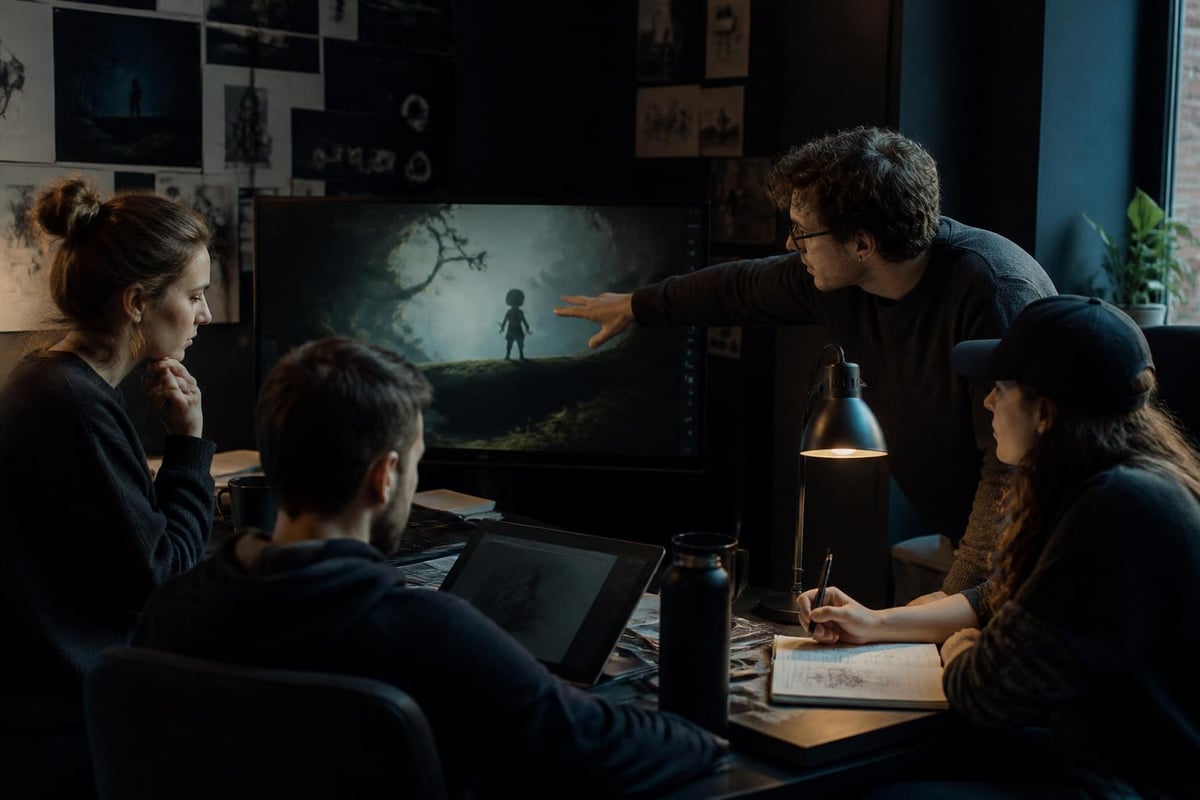
Independent developers explored themes and mechanics that major publishers considered too risky. These games tackled difficult subjects, experimented with unconventional controls, and prioritized emotional impact over mass market appeal.
Minimalist design often characterized these titles, with simple graphics and straightforward mechanics that nonetheless created profound experiences. The constraint of limited resources forced creative problem-solving that resulted in unique gaming moments.
When GamesRadar+ highlighted how nostalgic adventure games achieved critical acclaim in 2026, they demonstrated that innovative indies continue competing with AAA productions for critical recognition.
Roguelikes and Infinite Replayability
Procedural generation combined with permanent death created games that felt fresh with each playthrough. These titles mastered the balance between randomness and skill, ensuring player improvement felt meaningful despite unpredictable elements.
Meta-progression systems allowed players to unlock new content or abilities that persisted between runs, providing a sense of advancement even when individual attempts ended in failure. This structure kept players engaged through dozens or hundreds of hours.
The genre's influence spread beyond dedicated roguelikes, with many games incorporating roguelite elements into different genres-action games, shooters, strategy titles, and even role-playing games adopted permadeath and procedural content.
The Trading and Collecting Ecosystem
The best games for all time create vibrant secondary markets where dedicated players trade accounts, items, and rare collectibles.
Account Value and Gaming Investment
Established accounts in popular games carry significant value, particularly those with rare achievements, exclusive items, or high competitive rankings. The time investment required to reach these milestones makes pre-leveled accounts attractive to players who want to experience end-game content without hundreds of hours of progression.
Secure trading platforms have become essential for this ecosystem. Escrow protection ensures both buyers and sellers complete transactions fairly, while seller verification systems reduce fraud risk. Comparing marketplace options helps traders find platforms offering the best protection and lowest fees.
Regional Access and Global Communities
Gaming's global nature created demand for region-specific content and services. Some games release content earlier in certain markets, while others offer region-exclusive items or events. Players seeking these experiences often explore options like Roblox accounts in specific regions to access location-specific content.
Currency trading emerged as another significant market segment. In-game currencies with real-world value support entire trading economies, with players buying and selling virtual money across multiple platforms. Games with gacha mechanics particularly drive this market, as players pursue rare characters or items.
Hardware Preservation and Gaming History
As classic games age, maintaining the hardware to play them becomes challenging. Console failure rates increase over time, making professional repair services essential for preserving gaming history. Collectors and enthusiasts rely on expert technicians to keep vintage systems operational.
The retro gaming market has experienced significant growth as millennials seek nostalgic experiences and younger players discover classic titles. Original hardware commands premium prices, particularly for rare variants or special editions in excellent condition.
Multiplayer Experiences That Built Communities
Social gaming experiences created communities that transcended the games themselves, with friendships and rivalries lasting years beyond individual titles' popularity peaks.
MMO Virtual Worlds
Massively multiplayer online games built persistent worlds where thousands of players interacted simultaneously. These games required cooperation for challenging content, fostering guilds and alliances that functioned like social organizations.
Player-driven economies emerged within these worlds, with market dynamics resembling real economic systems. Crafters, gatherers, traders, and adventurers filled specialized roles, creating interdependence that strengthened community bonds. Some players specialized entirely in economic activities, never engaging with combat content.
The social infrastructure of successful MMOs included:
Guild management systems with ranks and permissions
Auction houses facilitating item trading
Chat systems supporting global and private communication
Instanced dungeons and raids requiring coordinated teams
PvP systems creating competitive rivalries
Cooperative Survival and Crafting
Survival games emphasizing cooperation rather than competition created spaces for creative collaboration. Players worked together to build bases, gather resources, and defend against environmental threats or hostile creatures.
Asymmetric gameplay added variety, with players taking different roles within groups. One player might focus on resource gathering while another handled base defense or exploration. This specialization created efficiency and made each player's contribution feel meaningful.
The genre's appeal extended beyond hardcore gamers to include casual players seeking relaxed social experiences. Adjustable difficulty settings allowed groups to tailor challenges to their preferred intensity level.
Evaluating Timeless Quality Versus Nostalgia
Separating genuine excellence from nostalgic attachment proves challenging when discussing the best games for all time.
Objective Design Excellence
Certain design principles transcend technological limitations and remain relevant regardless of when a game released. Responsive controls, fair difficulty curves, creative level design, and meaningful player choice represent timeless qualities.
Accessibility features determine whether modern players can appreciate classic titles. Games requiring extensive context or tolerance for dated mechanics may score high on historical lists despite limited contemporary appeal. Screen Rant's curated rankings consider both historical significance and current playability.
Timeless Quality | Era-Specific Element |
|---|---|
Tight control responsiveness | Graphical limitations |
Balanced difficulty progression | Outdated UI conventions |
Creative puzzle design | Lack of quality-of-life features |
Meaningful player choices | Archaic save systems |
The Remake and Remaster Phenomenon
Modern remakes allow classic games to reach new audiences with updated graphics and controls while preserving original gameplay. These projects demonstrate which games possess fundamentally strong design versus those that succeeded primarily through technological impressiveness.
Faithful remakes that update only visuals and controls typically succeed when source material remains engaging. Conversely, games requiring significant mechanical overhauls to feel modern reveal how dependent they were on novelty rather than timeless design.
The success of remakes creates opportunities for players to experience gaming history without tracking down vintage hardware. This accessibility helps preserve gaming culture and introduces influential titles to players who weren't born when they originally released.
Genre-Specific Excellence and Specialization
Different genres emphasize distinct qualities, making cross-genre comparisons challenging when determining the best games for all time.
Racing Simulations and Arcade Experiences
Racing games split between realistic simulations emphasizing accurate physics and arcade experiences prioritizing fun over realism. Both approaches produced legendary titles that defined their respective subgenres.
Simulation racers appealed to enthusiasts seeking authentic driving experiences, with detailed car models, realistic handling physics, and accurate track reproductions. These games required learning individual car characteristics and mastering racing lines for competitive success.
Arcade racers prioritized accessibility and spectacle, with exaggerated physics enabling impossible stunts and dramatic moments. These titles welcomed casual players while offering depth through hidden shortcuts and advanced techniques.
Puzzle Games and Mental Challenges
Puzzle games demonstrated that compelling gameplay doesn't require complex graphics or narratives. The best examples introduced simple rules that combined into deep strategic possibilities.
Minimalist presentation characterized many successful puzzle games, focusing player attention on gameplay rather than visual spectacle. This approach created experiences accessible to players of all backgrounds and skill levels.
The mobile gaming revolution brought puzzle games to unprecedented audiences. Titles that balanced casual accessibility with competitive depth achieved massive commercial success while maintaining critical respect.
Fighting Game Precision
The fighting game genre requires frame-perfect timing and extensive character knowledge, creating one of gaming's highest skill ceilings. These titles built dedicated competitive scenes with players mastering intricate combo systems and matchup knowledge.
Character balance determines fighting game longevity, with the best examples offering diverse rosters where multiple playstyles remain viable. Regular updates and patches help maintain competitive health as players discover new strategies.
The social aspect of fighting games proved as important as gameplay mechanics. Arcade culture created local communities that later transitioned to online play, preserving the genre's competitive spirit while expanding accessibility.
The Future of Gaming Excellence
As technology advances, new possibilities emerge for creating the next generation of best games for all time.
Virtual Reality and Immersive Experiences
VR technology promises unprecedented immersion, placing players directly within game worlds. Early VR titles demonstrated the technology's potential while revealing challenges that developers must overcome.
Motion controls add physicality to gaming, making actions feel more connected to player input. Successfully designed VR experiences account for comfort concerns while leveraging the technology's unique capabilities rather than simply porting traditional games.
The hardware requirements and cost barriers currently limit VR adoption, but improving technology and decreasing prices suggest broader accessibility in coming years.
Cloud Gaming and Accessibility
Streaming technology removes hardware barriers, allowing players with modest devices to experience graphically intensive games. This democratization could expand gaming's audience significantly while changing how games are developed and distributed.
Subscription services offering extensive game libraries alter the economics of game development. Rather than selling individual copies, developers might focus on retention metrics and ongoing engagement.
AI and Procedural Content Generation
Advanced artificial intelligence creates possibilities for dynamic storytelling and infinitely varied content. NPCs could respond naturally to player actions rather than following scripted behaviors, while procedural systems generate unique quests and challenges.
Ethical considerations around AI-generated content include questions about creative authorship and the role of human developers. The best implementations will likely use AI to enhance rather than replace human creativity.
FAQ
What are considered the best games of all time?
The best games of all time are titles that combined innovative gameplay, strong cultural impact, and long-term replayability. Games like Super Mario Bros., The Legend of Zelda: Breath of the Wild, Minecraft, Tetris, Grand Theft Auto V, and classic RPGs consistently appear on all-time rankings because they influenced entire genres and remained relevant years after release.
How are the best games of all time ranked?
Rankings usually consider multiple factors including critical reviews, player reception, sales numbers, cultural influence, innovation, replayability, and long-term impact on the gaming industry. Some rankings focus on historical importance while others prioritize modern playability and accessibility.
Which gaming platform has the most legendary games?
Nintendo, PlayStation, and PC platforms all contributed heavily to gaming history. Nintendo is known for timeless gameplay innovation, PlayStation popularized cinematic storytelling, and PC gaming enabled modding communities, strategy games, and massively multiplayer experiences that shaped modern gaming culture.
Why do older games still appear on modern “best games” lists?
Many classic games introduced mechanics and design principles still used today. Strong level design, responsive controls, balanced difficulty, and memorable storytelling can remain engaging regardless of graphics or hardware limitations. Timeless gameplay often matters more than visual fidelity.
What genres produce the most all-time great games?
Role-playing games, open-world adventures, competitive multiplayer titles, platformers, and action-adventure games dominate most all-time rankings. However, puzzle games, fighting games, strategy games, and indie titles have also produced genre-defining classics with massive long-term influence.
Are multiplayer games considered among the best games of all time?
Yes. Competitive titles like tactical shooters, MOBAs, battle royale games, and MMORPGs created massive communities and esports ecosystems that transformed gaming into a global social and professional activity. Many multiplayer games remain active for years due to strong community support and regular updates.
Do remakes and remasters count among the best games of all time?
Successful remakes and remasters often reinforce the legacy of the original game by modernizing visuals and controls while preserving core gameplay. Their popularity demonstrates that the underlying game design remains strong even decades after the original release.
Why do gaming accounts for legendary games have value?
Accounts with rare achievements, exclusive cosmetics, high competitive rankings, or extensive progression can carry significant value because they save players hundreds of hours of grinding. Established accounts in long-running multiplayer games often become desirable collectibles within gaming marketplaces.
What makes a game timeless instead of just popular?
Timeless games remain enjoyable and influential years after release. They typically feature strong core mechanics, memorable world design, meaningful progression systems, and experiences that continue inspiring future developers and new generations of players.
Where can players safely trade gaming accounts and collectibles?
Secure gaming marketplaces with escrow protection, verified sellers, and dispute resolution systems provide safer environments for trading accounts, in-game items, and collectibles. Platforms like PlayerTradeHub help reduce fraud risk while ensuring buyers and sellers complete transactions fairly.
The best games for all time represent peaks of interactive entertainment that transcended their original contexts to influence generations of developers and players. These titles combined innovative mechanics, compelling content, and lasting communities to create experiences worth revisiting years or decades after release. Whether you're seeking to experience gaming history firsthand, build a collection of influential titles, or find established accounts in legendary games, PlayerTradeHub provides a secure marketplace connecting buyers and sellers with verified transactions, competitive pricing, and escrow protection ensuring every trade completes safely.
Ready to Buy With More Confidence?
Compare live listings, verify proof quality, and use protected checkout to lower delivery and dispute risk.
Browse Marketplace